
Every so often a church reaches a moment that will shape it for years, and Temple Terrace is in one now. Over two Sunday mornings, Don Truex is walking the congregation through what God has revealed about the men who serve as elders, shepherds, and overseers, as the church prepares to consider appointing additional shepherds. This first lesson lays the groundwork: what the work is, what it is not, and the kind of man the church should be looking for.
A Church Rarely Rises Above Its Leaders
For more than sixty years Temple Terrace has enjoyed an unbroken line of good leadership, and that is no small thing. A congregation seldom rises above the men who lead it; the life, character, direction, and health of a church tend to track closely with its shepherds. The church is currently served by ten elders who love the Lord, love the truth, and love the souls in their care. But a church is never frozen in time. Men step aside with age or health, new men are needed, and the decisions made over the next few weeks will touch the church family for years to come. That makes this a serious season, and it should be a joyful one.
What We Don't Bring to the Table
Before asking what to look for, it helps to name what has no place in the process. Personal opinions and preconceived ideas are not the standard. Neither are the practices or history of elderships in other congregations. And the convoluted, hypothetical arguments that only muddy clear teaching are set aside. The measure is the New Testament, nothing more and nothing less. This is also why the process turns fearful in some churches, when someone makes a personal opinion into a crusade, when a single person or family is allowed veto power, or when personal ambition takes the place of godly desire. No one holds a one-vote veto over the church, and a man who would cause trouble because he was not appointed only proves he was not ready to serve.
Five Things the New Testament Settles
Scripture draws a clear outline. A shepherd is male, the husband of one wife; this is a matter of God-given eligibility, not of ability. There must be a plurality of them, not one man standing alone. They are co-equal: there is no presiding bishop or archbishop, because there is only one chief shepherd, and he is no longer on the earth. Their oversight extends only to the local congregation they are part of, not to other churches (1 Peter 5:2). And their primary work is to lead, to feed, and to protect the flock of God.
Three Words, One Work
The New Testament uses three titles for these men, interchangeable but not identical, each adding a shade of meaning. Elder points to maturity, wisdom, and experience; God sets no minimum age, but the word rules out both the untested and those whose faculties have faded. Overseer, sometimes translated bishop, speaks to guiding, managing, and delegating, which means real decision-making authority (1 Timothy 3:1). Shepherd, or pastor, is the dominant picture in all of Scripture, used hundreds of times: the one who nourishes the young, bandages the wounded, and seeks the wanderer. An eldership that works only as a closed-door board will never win the love of the flock; God is looking for decision-makers who decide with the heart of a shepherd.
What a Shepherd Is Not
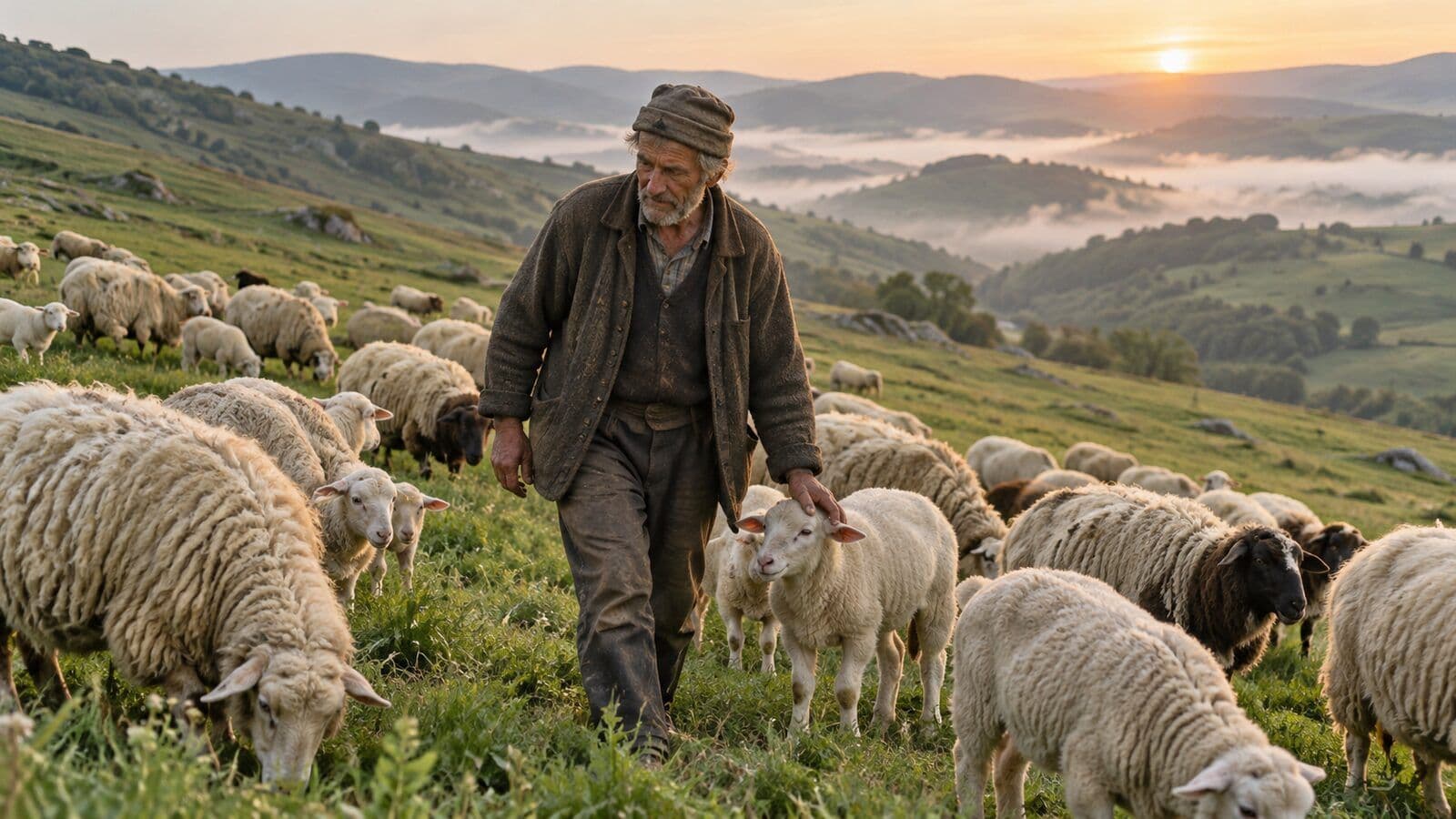
Borrowing from Lynn Anderson's book They Smell Like Sheep, Truex noted the titles God did not use. He did not call them hired hands; the hireling in John 10 runs when the wolf comes because the sheep are not his own. He did not call them cowboys, because shepherds lead while cowboys drive, wearing spurs and cracking whips to get their way; Jesus called himself the good shepherd, not the brave cowboy. And he did not call them CEOs or a board of directors making policy from behind closed doors. Elders do decide, but a leader who sees himself only as a decision-maker never builds the relationships that let hurting people come to him.
Jesus, the Chief Shepherd, Sets the Pattern
Shepherding is not a human invention; God modeled it. The Lord is the shepherd of Psalm 23, who leads his flock and gathers the lambs in his arms (Isaiah 40:11). David was taken from the sheepfolds to shepherd Israel. Ezekiel 34 holds the sharpest rebuke in the Old Testament for shepherds who failed their flock, and every failure there is simply the reverse of what a shepherd should do. Jesus left the ninety-nine to find the one (Luke 15) and laid down his life for the sheep (John 10). Peter calls him the chief shepherd, the model every undershepherd follows (1 Peter 5). From that pattern, a shepherd knows his sheep by name, watches over them and guards against wolves from without and within (Acts 20:28-30), goes before and leads by example (Hebrews 13:7), feeds them, seeks the straying, and never forgets that he will give an account for their souls (Hebrews 13:17).
Look for a Man Who Is Already Shepherding
So when a church looks for new shepherds, it looks for men who are already shepherding, in their homes, at work, and among their friends, with a shepherd's heart that shows in how they lead. Nothing in an appointment ceremony turns a non-shepherd into a shepherd, just as nothing in it turns a non-servant into a servant when deacons are chosen. The questions are simple: Is he spiritually mature and wise? Can he oversee with humility and cooperate with his fellow shepherds? Does he know the sheep, seek the wandering, strengthen the weak, and protect the flock, because he is already doing it?
This is why the process matters so much. The church is not merely filling an office; it is looking for men who will help it get home to God. And the invitation at the heart of it all is the same one that brought every Christian in: every sin washed away in the waters of baptism, not by anything we earned or deserved, but by the grace and mercy of God. If that is your need today, the Temple Terrace church family would count it a joy to help you.